



The SEO Blog for All Things Search
Level up your SEO knowledge and strategy by diving into our SEO blog! Whether you’re searching for comprehensive guides on AI SEO, keyword research, on-page optimization, or must-have tools to track your SEO success, we have everything you need to boost your online visibility and drive more traffic!

Latest from SEO.com
-
Content for AI Search: How Do You Create Content That Works for AI Engines?
Macy Storm

-
The Cold Hard Truth About the New Marketing Funnel You May Not Be Ready to Hear
Dan Shaffer

-
Do Keywords Matter for AI Search? They Do, But Not In The Way You Think
Macy Storm
-
How Long Should Content Be For AI Search Engines?
Macy Storm
-
Why Isn’t My Site Showing in AI Mode? 7 Reasons You Aren’t Appearing in AI Mode Responses
Macy Storm
-
How to Build a Google Gemini AI Strategy in 6 Simple Steps
Macy Storm
-
Does Google AI Mode Hurt Website Traffic?
Macy Storm
-
What Is a Digital Marketing Specialist and What Do They Do?
WebFX

-
8 Tips to Improve Conversion Rates Fast in 2026
WebFX
The Best of SEO.com
From Experts Featured in


AI SEO
-
What Is Artificial Intelligence? 3 Key Uses for AI in SEO
Macy Storm
-
Can SEO Be Automated? A Guide to SEO Automation
Abby Fields

-
Does AI Content Work for SEO? Pros, Cons, & Uses
Macy Storm
-
Google and AI Content: What to Know (& What to Do)
Sarah Berry

-
What is Generative Engine Optimization (GEO)?
Dan Shaffer
On-Page SEO
-
How to Choose a Domain Name for SEO in 7 Steps
Trevin Shirey

-
How to Create SEO-Friendly URLs in 6 Steps
Trevin Shirey
-
How to Optimize UX and SEO in 7 Simple Steps
Trevin Shirey
-
Meta Descriptions: What Are They? + 5 Tips to Write Great Ones
Savannah Swanson
-
SEO Title Tags: What Are They? [+ 5 Tips to Optimize Yours]
Savannah Swanson
Off-Page SEO
Best SEO Companies
SEO Services
Get notified of the latest blogs
Get marketing insights, strategies and tips delivered straight to your inbox.
Blog Email Subscription Form
Free SEO Tools
AI Overview Checker
Use our free AI Overview Checker to discover where you appear in AI Overviews and monitor your domain’s AI and organic search presence.
Domain Overview
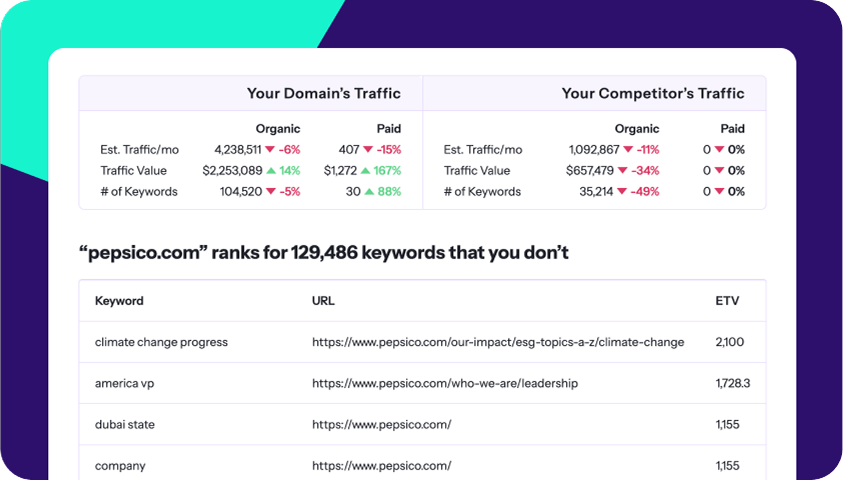
Use our free domain overview to enter your domain and instantly view your monthly traffic data vs. your competitor. You’ll also uncover keywords your competitor is ranking for that you’re missing out on!
Traffic Checker
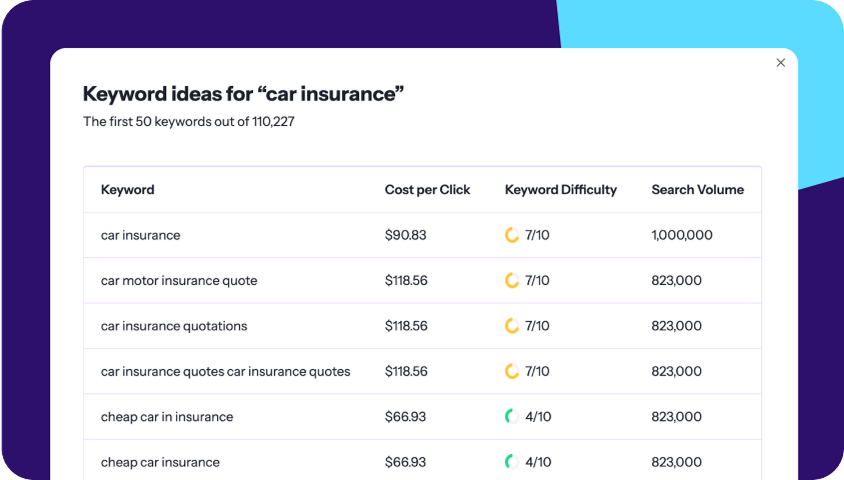
Use our traffic checker to instantly access monthly traffic and keyword data.
Uncover trend indicators to assess your SEO performance and see if your traffic and keyword trends are improving!
Watch SEO.com

What is OmniSEO?
SEO is evolving, meaning people use more tools than ever to seek out information. Learn the basics of OmniSEO™ and tips for mastering this strategy!

What is SEO?
Learn the basics of Search Enginge Optimization with this 3-minute Overview from the SEO.com Team!

What is EEAT?
Learn the basics of E-E-A-T (Experience, Expertise, Authoritativeness, and Trustworthiness) and its importance.
Let's Drive Results Together
Get expert help, starting with a custom SEO strategy for your business.